The Patirtaan Ngawonggo site, dating back to the 10th-century Medang Kingdom under Mpu Sindok, is located in Ngawonggo Village, Tajinan District, Mala...
KBRN, Malang: Nestled amid lush greenery in Malang Regency, East Java, the Ngawonggo Bathing Site (Situs Patirtaan Ngawonggo) remains one of the region’s best-preserved historical destinations.
Visitors are greeted by a tranquil atmosphere as soon as they step into the compound, creating a unique blend of cultural heritage and natural serenity.
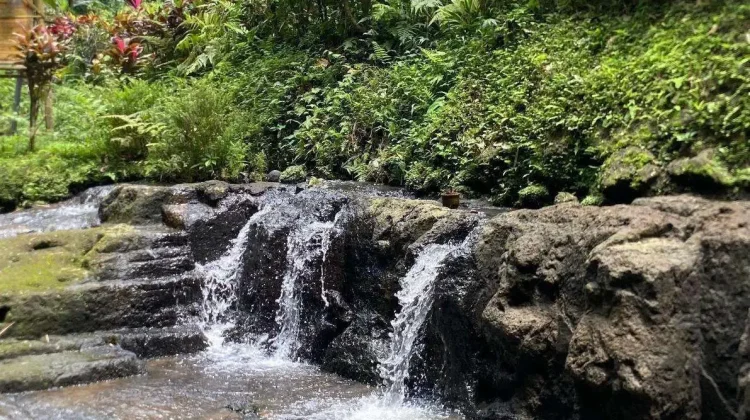
The site is widely recognized as a relic tied to ancient ritual practices and water management. Streams that flow around the complex highlight its original function as a sacred water source and serve as a key attraction for modern-day visitors.
Beyond its historical significance, the surrounding environment enhances its appeal. Towering trees and untouched soil create a refreshing ambiance, ideal for travelers seeking to learn about history while enjoying nature.
Nisa, a tourist from Bekasi, said she was visiting the site for the first time during her holiday in Malang. “The place feels peaceful and different. You can learn history here without feeling bored,” she said.
Visitors often stroll through the grounds, reading information boards that explain the site’s background. Many also take photographs, though they are mindful not to disturb or damage the historical structures.
Authorities and cultural observers hope Ngawonggo Bathing Site will remain preserved as part of Indonesia’s cultural heritage. With greater awareness among visitors to maintain cleanliness and respect the site, its historical value can be preserved for future generations.
The origins of Ngawonggo are told in two versions. Local folklore refers to the site as Awonggo, said to have been built in 1476 by Mbah Surayuda, also known as Mbah Jalaludin, a disciple of Sunan Bayat from Klaten, Central Java. Surayuda, originally from Ponorogo, was tasked with spreading Islam in the region.
Historical records, however, trace Ngawonggo back to the era of Mpu Sindok during the Ancient Mataram Kingdom. Inscriptions such as the Wurandungan and Kanuruhan B, dated 943 AD, mention a sacred place in eastern Malang called Kaswangga. Linguistically, Kaswangga is closely related to Ngawonggo, suggesting the site’s deep roots in early Javanese civilization.
The bathing site lies between two rivers, Kali Manten and Dawuhan, with springs from the southeast flowing into its pools. Archaeological evidence shows artificial water installations, including channels, troughs, and bathing pools, possibly even bamboo sluice gates.
Long before the Dawuhan Dam was built, ancestral communities had already constructed their own water-control systems here.
Ngawonggo Bathing Site is open to the public daily from 9 a.m. to 4 p.m., except on Thursdays when it is closed. (Misni Parjiati/Lasti Martina)