Tempeh, a traditional Indonesian fermented soybean food, was officially submitted by Indonesia to UNESCO's Intangible Cultural Heritage list in March...
KBRN, Jakarta: Indonesia’s Ministry of Culture is encouraging innovations in tempeh processing, aiming to elevate the traditional soybean-based food from a local dish into a body of knowledge with global impact. Officials say the effort will help sustain the tempeh ecosystem, expand its uses, and ensure proper documentation for future generations.
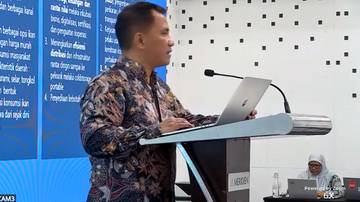
“We want this culture, this tempeh tradition, to evolve into more than just a dish. We want it to become a form of local knowledge that spreads globally,” said Endah Tjahjani Dwirini, Director General of Diplomacy, Promotion, and Cultural Cooperation at the Ministry of Culture, after attending the 2025 Tempeh Culture Seminar in Jakarta on Friday, December 19, 2025, as reported by Antara.
Endah explained that tempeh offers benefits for communities, industries, and consumers. She noted that derivative products could diversify tempeh-based foods, even suggesting innovations such as tempeh juice.
By developing knowledge around tempeh, she said, Indonesia could address challenges in domestic production, particularly the reliance on imported soybeans, which remain the primary raw material.
“If it is developed and continuously introduced to the public, hopefully one day we will enjoy processing tempeh from other beans besides soybeans,” Endah said. She added that disseminating such findings widely would give future generations more food choices.
Endah also revealed that UNESCO is currently reviewing Indonesia’s proposal to recognize tempeh as an intangible cultural heritage.
If approved in 2026, tempeh would become the country’s 17th cultural tradition inscribed on UNESCO’s global heritage list. “This success will elevate the value of processed products because they will be inscribed as UNESCO intangible cultural heritage,” she said.
The Ministry of Culture submitted the application on March 31, 2025, along with proposals for Mak Yong Theatre (a traditional Malay dance-drama) and Jaranan (a Javanese performing art and ritual involving horse dancing). ***







/vjrpu86v2q38lpp.png)