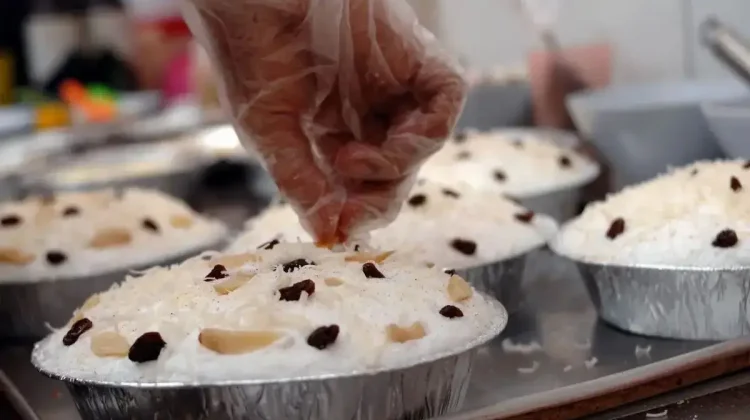
Manado's klappertaart dessert ready to bake. (Photo: Antara/Adwit B Pramono)
KBRN, Jakarta: Christmas celebrations in Indonesia are not only marked by worship services and festive decorations. Traditional dishes also play an essential role, bringing families together in moments of joy and togetherness.
The uniqueness of Christmas in Indonesia is reflected in the variety of foods served at family tables. Each dish carries cultural stories and historical traditions passed down through generations. These culinary specialties enrich the holiday spirit and highlight Indonesia’s diverse heritage.
Below are some of the traditional foods commonly enjoyed during Christmas in Indonesia:
1. Ayam KodokAyam kodok is a whole chicken stuffed with seasoned minced meat. It is often served by families of European and Chinese descent and remains a centerpiece of Christmas Eve dinners with extended family.
2. Klappertaart
A popular dessert from Manado, klappertaart is made from coconut, milk, eggs, and butter. Influenced by Dutch culinary traditions, this soft, sweet cake carries a rich coconut aroma and is a staple treat during Christmas in eastern Indonesia.
3. Putri Salju
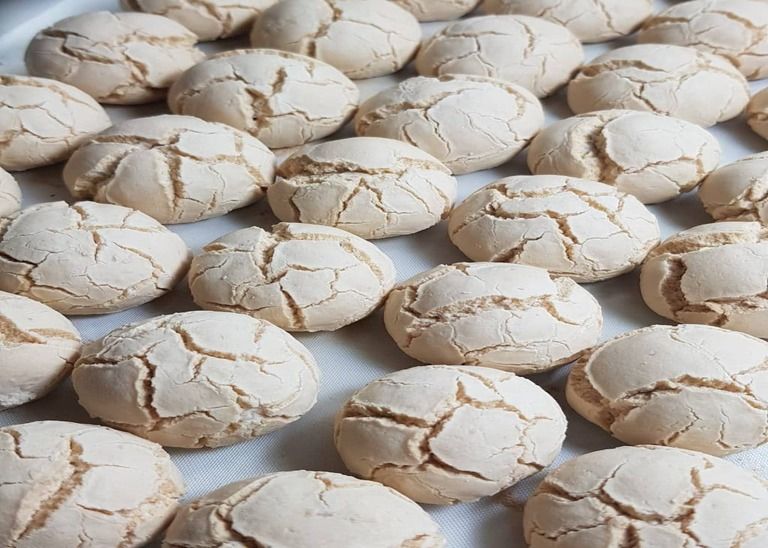
Widely associated with Christmas across Indonesia, these crescent-shaped cookies are coated in powdered sugar. Sweet, soft, and melt-in-the-mouth, putri salju is often served alongside other assorted cookies, making it a favorite for family gatherings.
4. Kue Satu
Also known as kue koya, this traditional cookie is made from ground mung beans or sago. With its crumbly texture that dissolves instantly in the mouth, kue satu symbolizes simplicity in family traditions across Indonesia.
5. Bagea
A Christmas specialty in Maluku and East Nusa Tenggara, bagea is a sago-based cookie flavored with local spices. Though firm in texture, it offers a strong sweetness and is typically enjoyed with tea or coffee during Christmas gatherings.
6. Babi Panggang Karo
For the Karo community in North Sumatra, roasted pork (babi panggang karo) is a signature Christmas dish. Served with andaliman chili sauce, it represents joy, togetherness, and the spirit of family celebration.
7. Ikan ArsikAmong the Batak Toba people, ikan arsik, carp cooked with andaliman, torch ginger, turmeric, and other spices, is a key Christmas dish. Its rich yellow broth symbolizes abundance and blessings for the coming year.
8. Ayam Colo-colo
In Ambon, Maluku, ayam colo-colo is a festive favorite. Grilled chicken is paired with a fresh sambal made of tomatoes, chilies, onions, and lime. The blend of spicy, sour, and refreshing flavors reflects a vibrant life lived with gratitude.
Together, these dishes showcase the cultural richness of Indonesia’s Christmas celebrations, where faith, family, and food intertwine to create moments of joy and meaning. (Misni Parjiati/Sri Wahyuni)