




Ceramic-Glass Industry Seeks Stable Energy to Boost Competitiveness
- Editor Lasti Martina
- 20 Jan 2026
- Voice of Indonesia
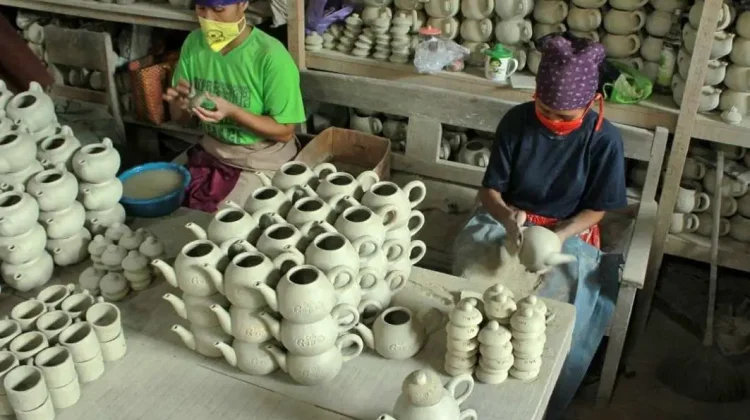
RRI.CO.ID, Jakarta: Indonesia’s glass and ceramics industry has urged the government to immediately ensure stable natural gas supplies, warning that energy uncertainty is disrupting production and weakening the competitiveness of domestic manufacturers.
Henry Sutanto, chairman of the Indonesian Glass Manufacturers Association (APGI), said that since early 2026, several factories in East Java’s industrial zone have faced gas supply constraints, which have directly affected production.
“From January 17 to 21, 2026, there was no quota at all. Then, from January 22 to February 1, the quota was only 46 percent, which severely disrupted factory operations,” Henry said in Jakarta on Tuesday, January 20, 2026, as quoted by
Antara.He stressed that the glass industry relies heavily on a stable gas supply to maintain cost efficiency and business sustainability. He called on the government to stabilize supply through the Specific Natural Gas Price (HGBT) policy.
Meanwhile, Edy Suyanto, chairman of the Indonesian Ceramic Industry Association (ASAKI), warned that the disruption could hinder the recovery of the ceramic industry, which is expected to gain momentum this year. The sector is targeting 80 percent production utilization in 2026.
Edy noted that prolonged energy uncertainty not only pressures factory utilization but also increases the risk of rising imports of ceramic products. He said ASAKI is preparing a new investment worth IDR 5 trillion to expand capacity and create jobs.
According to ASAKI projections, national ceramic tile production capacity will rise from 672 million square meters per year in 2026 to 701 million square meters in 2027, and further to 720 million square meters in 2029.
Yustinus Gunawan, chair of the Natural Gas User Industry Forum (FIPGB), said that low realization of HGBT quotas has been hampering industrial growth. He pointed to two recurring problems: gas allocations that often fail to match quotas and sudden notifications that create uncertainty.
The government previously stipulated that seven industrial sectors would continue to receive subsidized gas under the HGBT program.
The scheme provides gas prices below USD 6.5–7 per million British Thermal Units (MMBTU) for fertilizer, petrochemical, oleochemical, steel, ceramic, glass, and rubber glove industries.
In terms of national energy policy, the government is working to optimize domestic gas production and accelerate LNG infrastructure development to reduce reliance on imports. These measures are expected to strengthen energy security and ensure sustainable supplies for strategic industries. ***