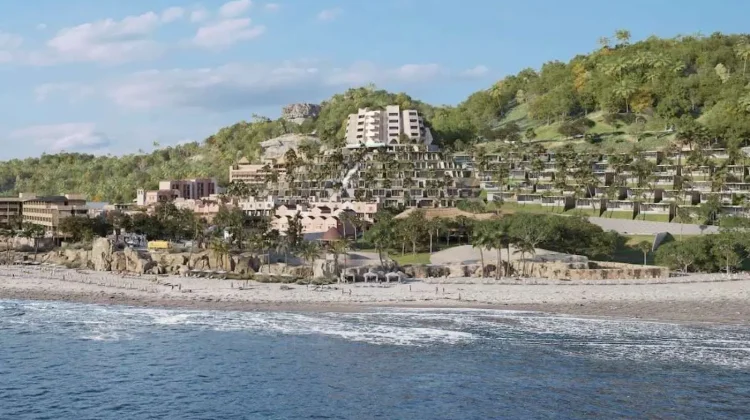
Mawatu in Labuan Bajo, East Nusa Tenggara, has implemented mitigation measures by relocating and replanting mangroves affected by development, helping...
KBRN, Surabaya: Interest from East Java tourists in sustainable destinations in Labuan Bajo, at the western tip of Flores Island, East Nusa Tenggara, continues to grow as the area develops with a focus on environmental preservation, infrastructure strengthening, and community empowerment.
Mawatu has become one of the most popular destinations for East Java visitors seeking responsible nature-based tourism.
The area offers a culinary, entertainment, and shopping hub overlooking the sea, along with regular activities such as yoga, zumba, and live music.
Visitors can explore Flores’ distinctive cuisine, local products, and enjoy leisurely experiences by the beach. Traditional Caci dance performances are also staged at an open-air amphitheater, adding cultural depth to the attraction.
Environmental mitigation has been central to Mawatu’s development, including the relocation and replanting of mangroves affected by construction. These efforts aim to maintain the balance of Labuan Bajo’s coastal ecosystem, which serves as a natural protector of shorelines and a habitat for marine life.
Mawatu Director Heryanto Kurniawan stressed that sustainability principles guide every decision in the area’s development.
“The beauty of Labuan Bajo is the main strength of this destination. That is why every step in developing Mawatu is carefully designed to remain in harmony with nature and deliver positive impacts for both the environment and surrounding communities,” he said in a press release on Wednesday, December 17, 2025.
Infrastructure support has also been strengthened, with clean water reserves of up to 700 cubic meters provided through cooperation with village-owned water company PDAM Labuan Bajo and the use of Sea Water Reverse Osmosis (SWRO) technology. This innovation allows seawater to be used as an alternative source without burdening local freshwater supplies.
Building designs incorporate passive architecture with optimal openings for natural light and air circulation, reducing energy needs while creating comfortable, eco-friendly spaces for visitors.
Social and economic impacts are also being encouraged through the Seaside Market, developed in collaboration with the Labuan Bajo Flores Authority (BPOLBF).
Since its pre-opening in October 2025, more than 36 local micro, small, and medium enterprises (MSMEs) have participated, regularly reaching thousands of visitors each week, including those from East Java.
Looking ahead, the area’s expansion will include hotels, resorts, beach clubs, and national tenants such as Cinema XXI. These developments are expected to create new jobs and strengthen Mawatu’s position as a sustainable tourism destination.
“Sustainable development must deliver real benefits to the surrounding communities,” Heryanto said, reaffirming Mawatu’s commitment to grow in balance with nature and local society. (Misni Parjiati/Lasti Martina)